
Spring 2007 Newsletter
Photo Gallery

New Technology In Prosthetic Liners
Delivers Comfort
Types of Liners
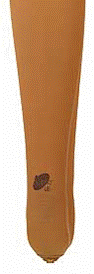
The most popular method of suspension for a prosthesis is a silicone or gel liner. There are many types of materials and socket designs that can be used. Silicone is the most widely used, due to its durability and stability.
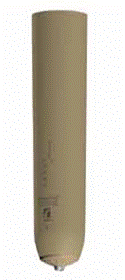
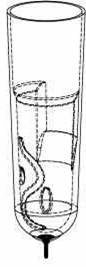
The liner’s purpose is to provide cushion and comfort, as well as to suspend the prosthesis. The liner has a pin fitted to the end, which locks into a mechanism in the bottom of the socket of the prosthesis. The pin is locked in by pushing the liner covered limb into the socket and a clicking noise is heard which confirms engagement. A push button on the side is used to disengage the pin from the lock.
The Ossur dermo liner is the most commonly used liner. The liner is made of a silicone with an active skin care system. In the case of the dermo liner, the active ingredient is Aloe Vera which provides a moisturizing and softening effect.
The softness of the silicone is designed to relieve pressure in bony areas. It also aids in reducing friction forces on the skin. It is typical to wear a nylon sheath underneath the silicone liner to aid in absorbing moisture and friction reduction.
Some of the common issues that are reported by patients wearing liners are heat rashes, odors from the liner and discoloration.
The liner should be washed daily with a mild soap to avoid a skin rash.
New Technology Delivers
An alternative to silicone liners are custom gel liners. These are liners made of softer mineral gels that provide a feeling of greater padding. It is noteworthy that these liners are usually thicker and therefore add weight.
A newer development is the Alpha Design Liner. This utilizes new manufacturing techniques and computer aided design to produce custom liners.
This new technology enables us to exactly match the residual limb shape and to determine areas of thicker or thinner gel.
By placing thicker gel in areas of discomfort, such as boney prominences or tender scar tissue areas, we are able to provided increased cushion in that specific area. We can also provide thinner gel in certain areas, such as the back of the liner where the knee bends to restrict the bunching that thicker liners can cause.
The liner rolls on and locks in via a pin in the bottom of the liner just as the traditional silicone liner. The softness of the liner can make it more delicate and greater care is needed in storing the liner when not wearing it.
When Does a Liner
Need Replacing?
There are several reasons that may occur which may mean that your liner needs to be replaced.
All liners are made of materials that are elastic in characteristics. This means that the constant stretching as you roll them on and off daily takes its toll. Liners eventually change their original shape. This may make them loose or cause them to thin out in high pressure areas.
Your residual limb also changes it’s size over a period of time, which may not appear apparent to you.
Liners also can tear, split or crack after a long period of usage and higher activity levels. These tears or cracks can cause skin irritation and are also an indication that the liner may need to be replaced.
Both of these reasons can cause a liner to become ill fitting and need replacing. If you feel your liner is not fitting as well as it should, or are unsure, call and make an appointment for the liner to be inspected and your limb to be re-measured.
Liners of all types also discolor and pick up perspiration during normal use. The build up of perspiration can cause an odor from the liner which is very difficult to remove.
To avoid this build up of perspiration, daily wash the inside surface of the liner with a mild soap. Most liners such as silicone or Alpha gel liners can be washed out weekly with a small amount of alcohol.
You should check with us if you do not have care instructions for your liner and are unsure as to the proper cleaning technique.
It is a good idea to have two liners when your limb’s size has stabilized so that you can rotate the liners to increase product longevity.
AIM Welcomes
Debbie Schwemberger
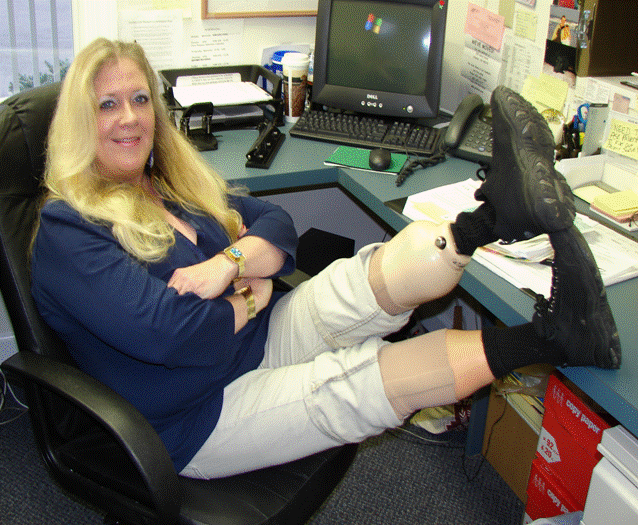
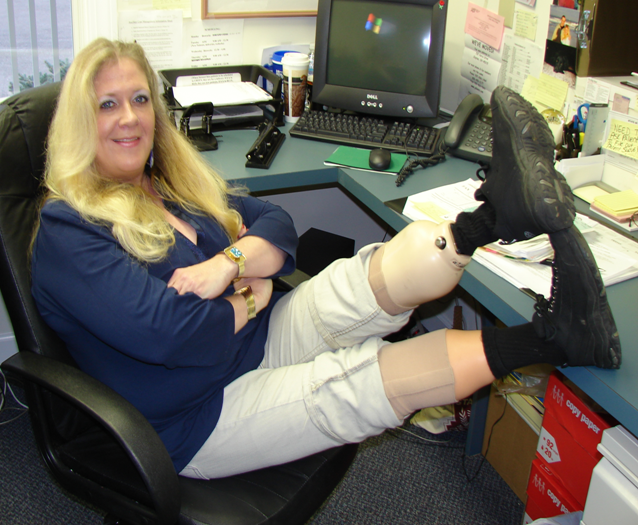
Abilities In Motion welcomes our newest member of staff, Debbie Schwemberger. Debbie has been a right below the knee amputee since 1992. She and her husband, Dave had been active in fund raising for handicapped kids for many years. She has two children, Amber 21 and Chris 18. Debbie has an active lifestyle, which she has never allowed her disability to compromise. She is an avid camper and concert attendee.
Debbie has been a patient of AIM since 2000. She first came to us as a right below the knee amputee for a new prosthesis.
After several surgeries and several years in a left clam shell ankle foot orthosis, Debbie had her left leg amputated below the knee on May 22nd, 2006. After the use of an immediate post-operative prosthesis, Debbie was walking on bilateral BK prostheses without assistance very quickly. This is a testament to her determination and positive attitude.
She is back to her active lifestyle , attending a concert at Riverbend in October 2006.
Debbie was an original member of AIM’s Amputee Success Network monthly meetings, soon becoming a leader and motivator.
Tom saw Debbie's positive outlook and gift in communicating this outlook to others. Combined with Debbie's past work experiences, she can only be of benefit to AIM.
Welcome Debbie
 Print
Print 