
Spring 2006 Newsletter
Photo Gallery
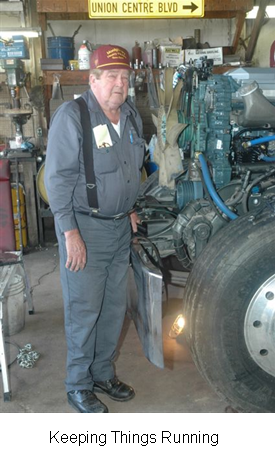
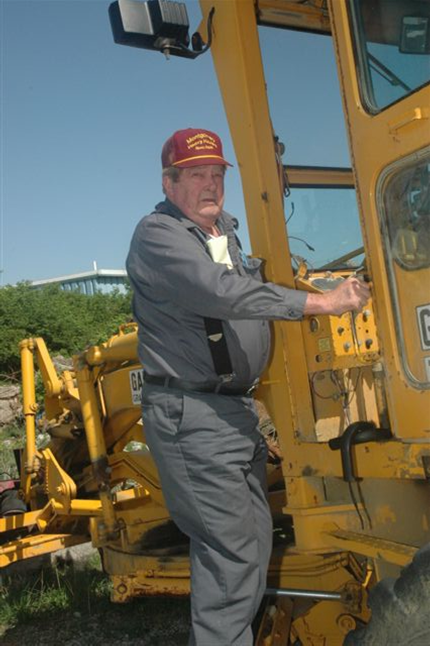
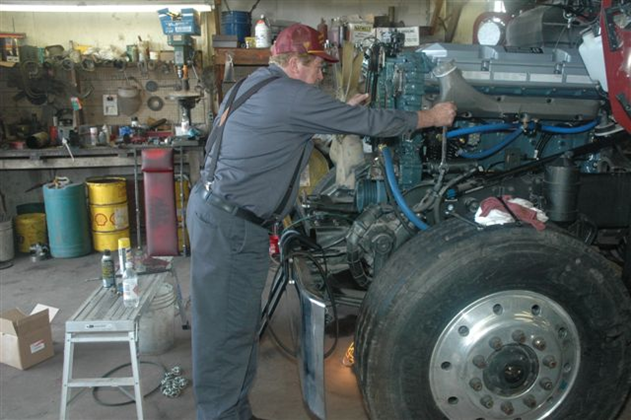
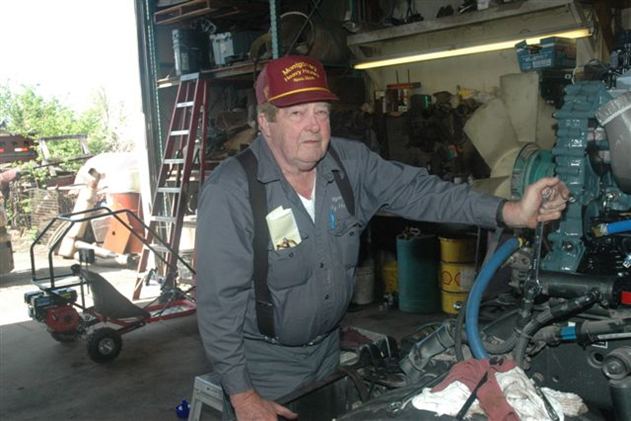
Doyle Montgomery
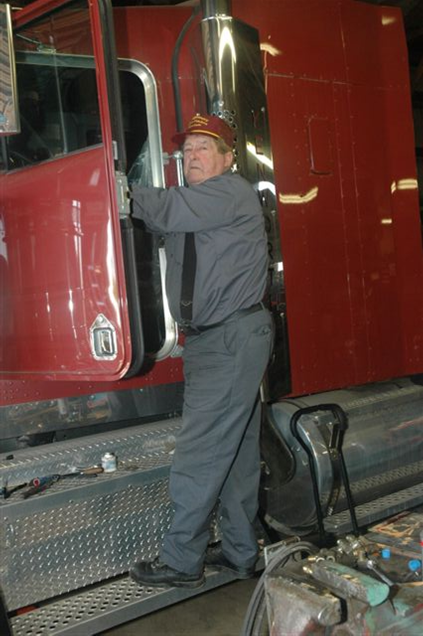
Doyle Montgomery, 72, is a right above the knee amputee. Doyle has always had an active physical lifestyle. As owner and operator of Montgomery Heavy Haulers, Doyle has spent much of his career driving trucks and moving heavy equipment.
From the beginning of his road to recovery, Doyle has always shown good strength and determination. He has a flexion contracture at the hip which prevents his residual limb from fully straightening. The flexion contracture makes stability of a prosthetic knee difficult.
Doyle started with a simple weight activated locking knee which he used while learning to ambulate with a prosthesis. He was able to walk with the use of two crutches with considerable effort. Due to the uneven ground and slopes that are part of his everyday challenges, the weight activated locking knee became prohibitive.
Increased activity levels demanded a higher function; therefore he was fit with a hydraulic swing and stance knee control. The fluid stance phase of this device made maneuvering on rough terrain and slopes less demanding. The hip flexion contracture still made walking very tiring due to the extra energy needed to control the hydraulic knee.
After some hard work, Doyle was able to substitute the crutches for two single canes. He was able to increase his activity levels. Doyle had returned to driving the heavy machinery and trucks but was still finding it hard work to operate the knee without the support of the two canes.
Two years after receiving his first prosthesis, Doyle now needed a new socket. At this time a new type of knee was fit, the C-Leg. The computer controlled knee unit was fit with the new socket and the parameters of the programmable knee were set in to suit Doyle’s weight, activity levels, and walking characteristics.
Doyle immediately commented on the increased ease of control of the knee. He also found over time that he was able to do much more without fatigue setting in so quickly.
Doyle has now had the C-Leg prosthesis since November of 2005. He has reported feeling greater stability, as well as ease of operation of the prosthesis. In fact, he is often ambulating around the house and office without the use of the canes.
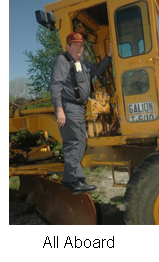
One of the reasons for the Doyle’s success with the C-Leg is the way the system works. Instead of the user having to exert force to control the knee function, the computer works to sense the position of the user’s gait. For example, if the user is walking down a ramp or stairs, the C-Leg then adjusts the hydraulic resistance to meet the demands of that exact step that the user is taking. The computer monitors the knee and ankle forces 50 times per second and reacts immediately to changes in gait speed or floor angles. Almost as quick as Doyle can move a dirt pile!!
Changing Shoes?
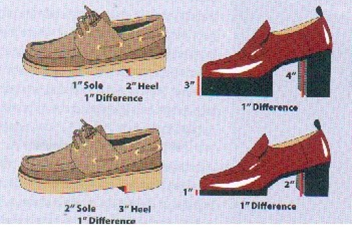
When you buy new shoes, something to consider is the heel height. The angle of your prosthesis has been set for the shoes that you wore for the fitting.
If you can, purchase shoes with a matching heel height, this will maintain correct alignment of your prosthesis. Some of the difficulties faced with incorrect heel heights are as follows.
If the shoe’s heel is too low, you may experience difficulty rolling over the toe of the prosthesis or hyper extension of the knee causing pressure to be felt at the front of the knee.
If the heel is too high, you may feel pressure at the end of the tibia or the feeling of the knee wanting to buckle.
If you are not sure or want your prosthesis adjusted to fit your new shoes, we’ll be happy to help you.
 Print
Print 